Marine Mammals

Are Fin Whales Dangerous? Boat Rules, Not Man-Eaters

Fin whales are fast rorquals, not predators of people. NOAA asks boaters to stay 100 yards away; the real risks are strikes, entanglement, and whaling history—not attacks on swimmers.

Last updated: 2026-10-29

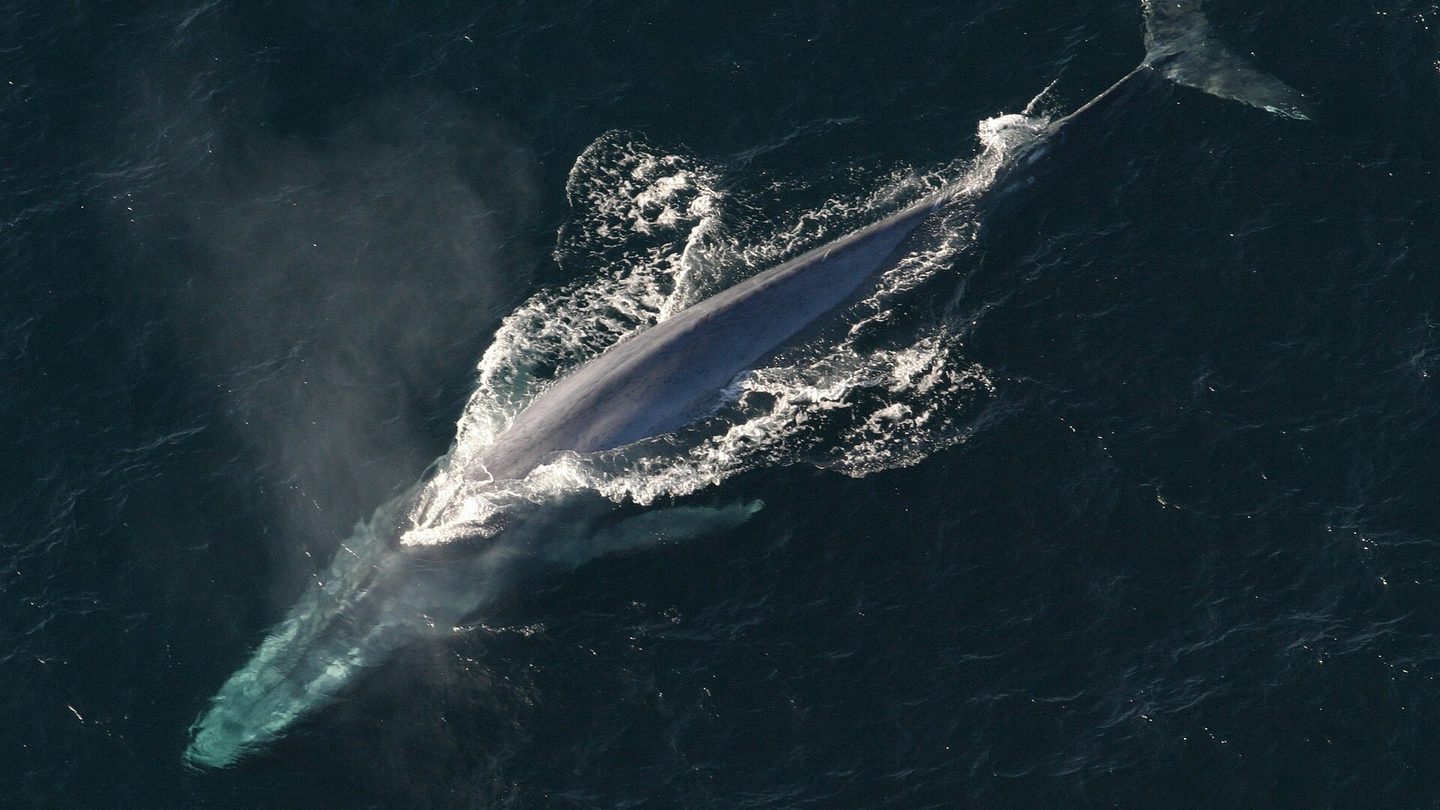
Aerial view of a large whale at the surface in dark water, with a long back and tail flukes visible
Photo: NOAA Photo Library, public domain

Core summary

Are fin whales dangerous to humans? NOAA Fisheries does not describe fin whales as hunting people. They filter krill and small fish through baleen, and agency guidance for large whales focuses on keeping boats at least 100 yards away and slowing to 10 knots or less where whales occur. Documented harm to people comes from vessel collisions and fishing gear, not directed aggression. For telling fin whales apart from blue whales at sea, see the [fin whale vs blue whale](/fin-whale-vs-blue-whale/) comparison on this site.

Short answer

No fin whale attack on a person appears in the NOAA species materials checked for this page. Fin whales are endangered rorquals known for speed and asymmetric jaw coloring, not for biting swimmers. The question usually mixes up "large" with "predatory toward people," a pattern this site also tracks in the animal myths index.

What NOAA does publish is distance etiquette: treat any large whale as a protected animal that can be injured by boats and can injure people only indirectly—through collision, propellers, or sudden surfacing—not through hunting behavior.

What NOAA asks boaters to do

NOAA Fisheries whale-viewing guidance applies across large whales, including fin and blue whales. Stay at least 100 yards from any large whale, limit speed to 10 knots or less in their presence, and never chase or cut off their path. Those rules exist because a 40-to-80-ton animal surfacing under a hull can kill people on board even when the whale is behaving normally.

Fin whales were nicknamed the "greyhound of the sea" because they can sustain roughly 23 to 25 mph in flight from older whalers—another reason sudden lateral moves matter more than any myth about aggression.

Related guides on FactCrumbs

Size and field marks: fin whale vs blue whale and humpback whale vs blue whale. Acrobatics: do blue whales breach (rare leaps in the largest rorquals). Toothed-whale contrast: sperm whale profile. More on the Marine Mammals topic hub.

Frequently asked questions

Are fin whales dangerous to swimmers?

Not in the shark-attack sense. NOAA describes fin whales as filter feeders. The documented hazards are indirect—boats too close, gear in the water—not predation on people.

Are finback whales friendly?

"Finback" is another name for the fin whale. NOAA does not rate whales as friendly; it publishes viewing distances and speed limits instead.

Can a fin whale hurt a boat?

Yes accidentally. A surfacing whale can damage a hull or injure passengers if a vessel is too close or moving too fast—why the 100-yard guidance exists.

FC

FactCrumbs

Sources and method