
Why this table exists
Most "animal myths, debunked" pages on the internet cite each other. One site's list gets copied into the next site's list, and a claim that was never checked against a primary source picks up the authority of repetition instead. This page works from the other direction: each row links to its supporting source, which may be a study, an institutional page or science reporting. Readers can distinguish those source types in the table.
Four of the fifteen are FactCrumbs' own reporting: Camel Spiders, Wolf Spider, Axolotl and Velociraptor each got a full article built around primary sources before landing here as one line. The remaining rows cite external sources, including science journalism and myth-checking articles. It will grow as new FactCrumbs articles add their own verdicts.
The verdicts
| Claim | Verdict | Evidence | Source |
|---|---|---|---|
| Camel spiders can run 10 mph and are dangerously venomous | False | No venom glands exist in the order Solifugae; the 10 mph figure traces back to an unsourced estimate nobody has actually measured. | FactCrumbs: Camel Spiders |
| Wolf spider bites cause necrotic, flesh-eating wounds | False | A prospective clinical study of 45 confirmed wolf spider bites found pain in all cases, redness in 67%, and no necrosis. | FactCrumbs: Wolf Spider |
| The laboratory axolotl colony studied in 2017 was genetically identical to wild Xochimilco axolotls | False | The studied laboratory colony carried an estimated 5.8% tiger salamander ancestry on average, traced to one Minnesota specimen collected in 1962. | FactCrumbs: Axolotl |
| Velociraptor was a scaly, roughly human-sized predator (the Jurassic Park version) | False | A real adult Velociraptor weighed 14 to 20 kg, stood about knee-high, and left fossil quill knobs proving it carried real feathers. | FactCrumbs: Velociraptor |
| Goldfish have a memory span of about three seconds | False | Goldfish have been trained to run mazes and tell apart musical pieces, remembering the task for months afterward. | Discover Magazine |
| Lemmings periodically march off cliffs in mass suicide | False | The famous 1958 Disney footage was staged: lemmings were shipped to a landlocked set and driven off a rotating turntable by the film crew. | Snopes |
| Bulls charge because they're enraged by the color red | False | Cattle lack red-detecting cone cells entirely; controlled tests (including on Mythbusters) show bulls charge at movement regardless of a cape's color. | Live Science |
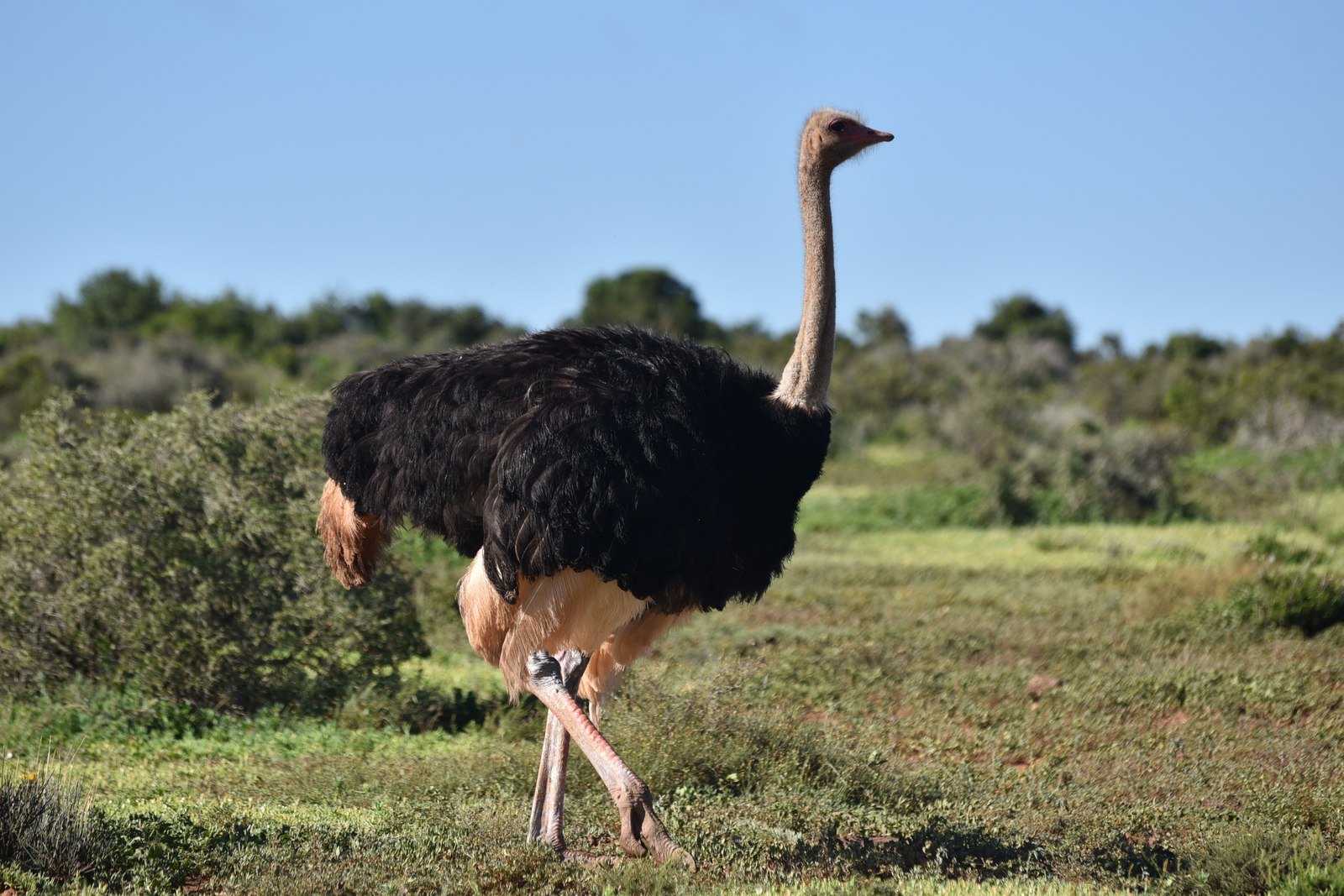
| Ostriches bury their heads in sand when frightened | False | Threatened ostriches flatten against the ground to hide, or dip into a ground nest to turn eggs, and neither looks like burying a head up close. | McGill Office for Science and Society |
| "Daddy long-legs" are the most venomous spiders alive but can't bite through human skin | False | The usual referent, harvestmen, aren't spiders at all and have no venom glands or fangs whatsoever. | Burke Museum, University of Washington |
| Bats are blind | False | All roughly 1,400 known bat species have functioning eyes, and several see well into the UV range. | Encyclopaedia Britannica |
| Sharks don't get cancer | False | Tumors have been documented in more than 20 shark species since 1908, including a photographed great white with a visible tumor in 2013. | Scientific American |
| Elephants have a unique fear of mice | False | Elephant researchers describe a startle response to sudden movement by many small animals, not a special fear of mice. A 2006 ABC demonstration with mice held in view prompted little apparent interest. | Live Science |
| Female praying mantises always eat the male's head during mating | Partially true | It happens, but in only 13 to 28% of matings observed in the wild, well below the near-universal rate that cramped, no-escape lab terrariums produced. | Snopes / Entomology Today |
| Touching a toad or frog gives you warts | False | Warts are caused by human-specific strains of HPV entering through broken skin, not by contact with amphibian skin. | Cleveland Clinic |
| Camels store water in their humps | False | A camel's hump stores fat, up to about 36 kg (80 lb) of it; camels instead survive on efficient water retention and can down 20 gallons in one sitting. | Library of Congress, Everyday Mysteries |
Cite this
FactCrumbs Editorial, “Animal Myths, Checked Against Their Sources,” FactCrumbs, published August 4, 2026, https://factcrumbs.com/animal-myths-index/.
How a claim gets into this table
A row needs a primary source: a peer-reviewed study, a museum or university research page, or a named government agency. General-audience science journalism counts only when it reports directly on a named study or institution, not just repeating an unsourced number, which is the same problem this table exists to avoid.
Where the evidence itself is mixed, the verdict says so instead of forcing a clean "true" or "false". The praying mantis row is the one case so far: the behavior is real, the near-universal rate popular writing attaches to it is not, and the table records the actual range instead of picking a side.