
What’s actually happening off Gibraltar
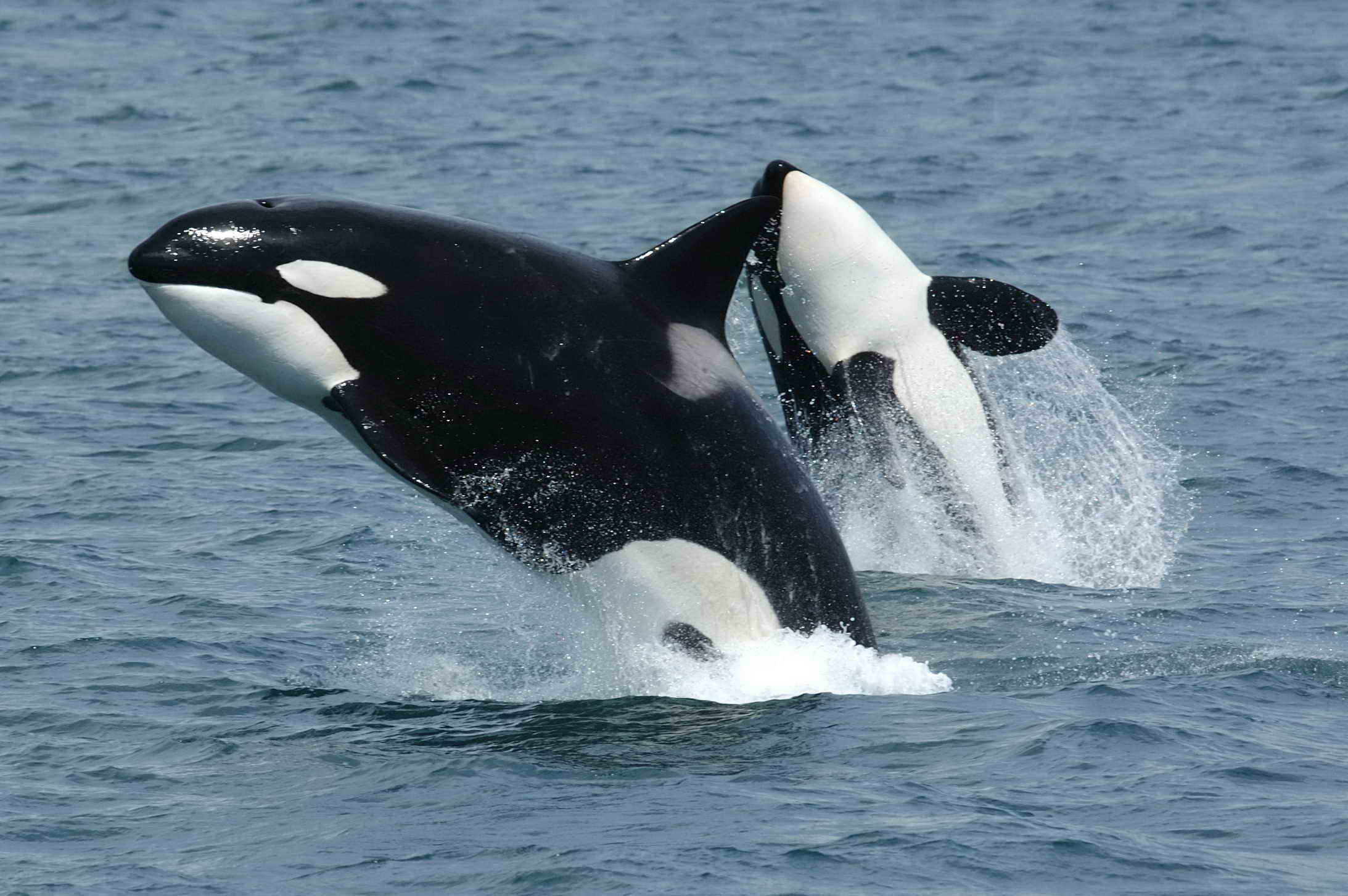
The first documented case was in May 2020, in the Strait of Gibraltar: a small group of orcas approached a sailboat and began pushing against its rudder until it stopped responding. It wasn’t a one-off. Over the following years the same behavior spread through a critically endangered subpopulation of Iberian orcas, numbering around 35 to 39 individuals split into a handful of pods, with researchers eventually identifying roughly 15 specific animals as repeat participants. Between 2020 and 2023, researchers tallied close to 500 recorded interactions between orcas and vessels along the Iberian coast, with over 250 boats damaged and at least four sunk outright: one in July 2022, the Smousse in November 2022, Champagne in May 2023, and Grazie Mamma II in October 2023. More sinkings followed. The Alboran Cognac went down off Morocco in May 2024, the Bonhomie William sank in the Strait of Gibraltar two months later, and at least two more boats were lost off Portugal in the second half of 2025: one in September that made international headlines and the Ti’fare, a French yacht carrying a family of five, on October 10. Reports of further sinkings continued into 2026, and by mid-year several tracking sources put the total confirmed since 2020 at eight or more, though the exact count depends on when the tally was taken.
The pattern is specific enough that it has its own name among researchers who track it, the Grupo de Trabajo Orca Atlántica (Atlantic Orca Working Group), and its own documented decline: annual interaction counts along the Atlantic coasts of Iberia dropped from 207 in 2023 to 136 in 2024, and Portuguese-coast data logged 24 interactions across 2025. That drop matters, because it argues against the more dramatic reads of the behavior (an escalating vendetta, a coordinated campaign) and toward something closer to a trend that rises and falls the way other orca cultural fads have.
The leading scientific explanations, and why none of them has won
A 2024 workshop convened by the International Whaling Commission reviewed the accumulated interaction data and landed on a cautious conclusion: the behavior "has more in common with fads seen elsewhere and seems associated with play or socializing, perhaps encouraged by the recent increased abundance and availability of prey." Orcas are documented culture-spreaders. They’ve been observed picking up short-lived fashions before, like salmon-hat-wearing in the 1980s Pacific Northwest that briefly resurfaced decades later, which makes a fad explanation biologically plausible rather than a dodge.
It isn’t the only theory taken seriously, though. Bruno Díaz López, chief biologist at Spain’s Bottlenose Dolphin Research Institute, has suggested adult orcas may be using the boats to train juveniles in the mechanics of disabling large prey: rudders behave, to an orca, a bit like a struggling animal’s tail. Other researchers point to stress: a critically endangered population squeezed by vessel noise, overfishing of its bluefin tuna prey base, and heavy shipping traffic through one of the world’s busiest straits has plenty of plausible reasons to react to boats specifically. Going into 2026, these theories aren’t mutually exclusive, and none of them has been confirmed over the others, even though a lot of coverage of this story reaches for a tidier answer than the data currently supports.
What sailors and the internet are actually saying
The people with the most direct stake in this are the sailors on the boats. Accounts collected by CBC describe the experience as frightening in the moment: crews surrounded by pods of up to nine animals, feeling the hull being hit from underneath, unsure whether the boat will still be seaworthy afterward. Marine authorities in the region have issued navigation warnings for the affected stretch of coast as a direct result.
Online reaction has taken a very different tone. A widely shared Reddit thread on the sinkings leaned hard into schadenfreude, not alarm. One commenter wrote "I love that in orca fashion, no humans were harmed in the sinking of this yacht," while another framed it as "Orcas fighting harder for common people than our government," per CBC’s roundup of the reaction. That framing overstates the case: marine biologists studying the behavior have pushed back specifically against the "orcas are taking revenge on humans" narrative that took off in 2023, since there’s no evidence the animals are motivated by anything resembling a grudge, and anthropomorphizing an unresolved scientific question tends to crowd out the explanations above.
Matrilineal pods and the culture that gets passed down
Set the boat-ramming story aside and orcas are still one of the more socially complex animals studied, and the current holder of a title the Cretaceous seas had their own version of: apex ocean predator. According to NOAA Fisheries, they live in matrilineal pods (typically a few to more than 20 related individuals) built around female lineages, with both sons and daughters staying closely affiliated with their mothers’ group for life in many populations. Diet is dictated by ecotype, not by whatever happens to be available: NOAA data shows resident orcas eat almost exclusively fish, mainly salmon, while transient (also called Bigg’s) orcas hunt marine mammals and squid, and offshore orcas take fish including sharks. These aren’t individual preferences; an orca born into a fish-eating resident pod essentially never switches to hunting seals, and the reverse is equally true.
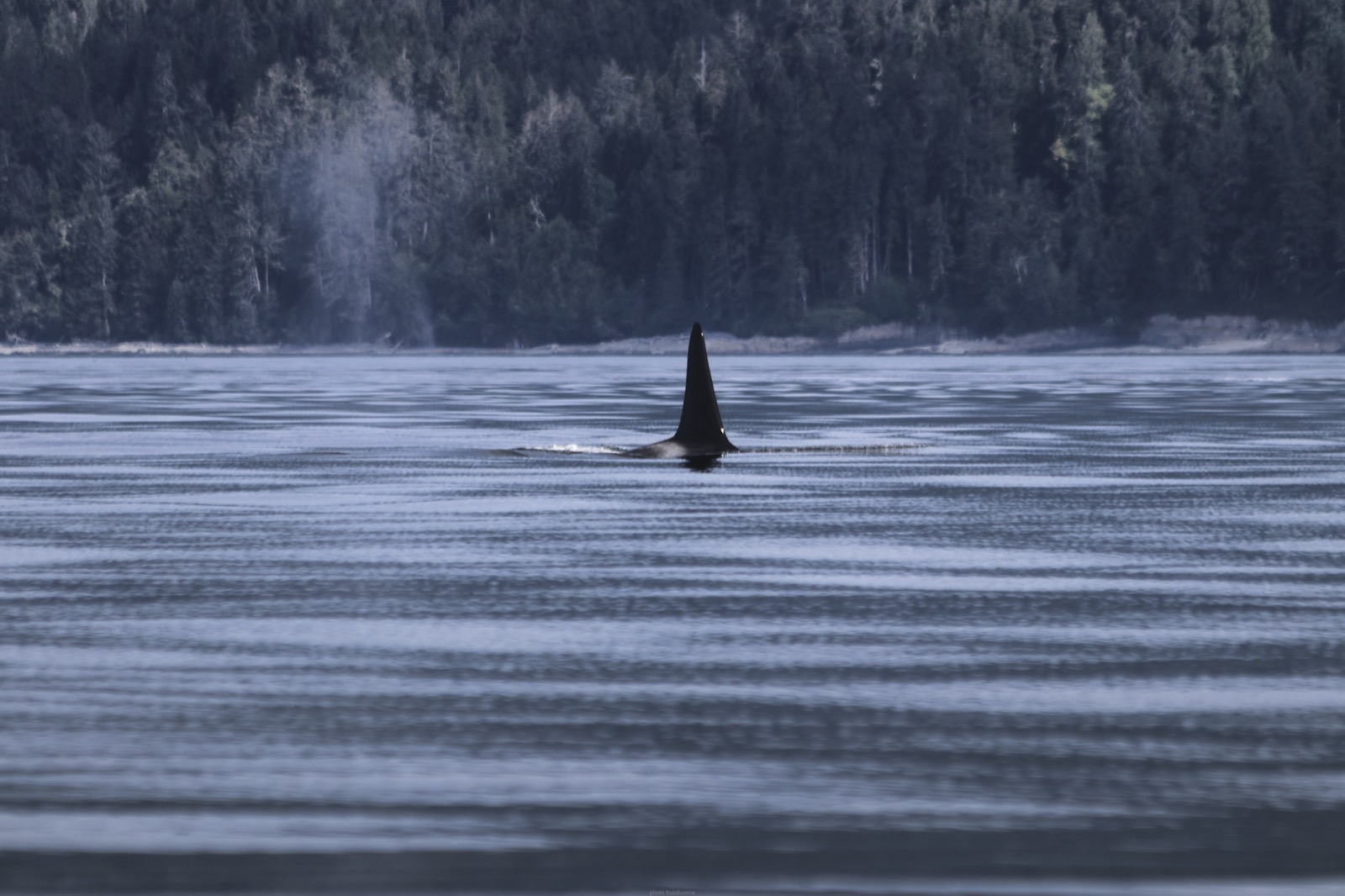
The dialects go with the diet. Calls used within a pod are, per NOAA, "unique among populations and are learned and culturally transmitted among individuals," not hardwired by genetics. Close relatives from different pods can sound distinctly different, the way human regional accents diverge along family and community lines rather than DNA. Researchers studying wild pods rely heavily on photo identification to track this social structure over time, matching individual animals across sightings by the shape of the dorsal fin and the grey "saddle patch" marking just behind it, which is how the roughly 15 repeat participants in the Gibraltar boat interactions were distinguished from the wider Iberian population in the first place. A different toothed whale pushes sound even further than any dialect can: sperm whales are the loudest animal on record, with underwater clicks measured at up to 236 decibels.

The clearest evidence of orca grief: Tahlequah’s two "tours"
In July 2018, a Southern Resident orca known to researchers as J35, or Tahlequah, gave birth to a calf that lived only about half an hour. She refused to let the body go and instead pushed it through the water using her head and rostrum, keeping it afloat as it grew heavier, for 17 straight days and roughly 1,000 miles across the Salish Sea. Deborah Giles, a killer whale biologist at the University of Washington who followed the case, told reporters at the time: "You cannot interpret it any other way." The episode became known internationally as the "tour of grief," and it wasn’t performed alone: other members of her pod took turns carrying the calf, a shared, sustained response researchers documented across the group, not one mother acting on her own.
It also wasn’t a one-time event. In late December 2024, Tahlequah was seen carrying a second dead calf, repeating the same behavior more than six years later. This time researchers tracked her for at least 11 days before she was seen without the calf, according to reporting from KNKX Public Radio and World Animal Protection. Both calves were female, a particularly heavy loss for the Southern Resident population, which as of mid-2025 numbered only around 74 whales total and depends on every surviving female to have any chance of recovering. Researchers who study the population treat repeated events like this less as an isolated tragedy and more as a visible symptom of a population under chronic strain, from prey scarcity to vessel noise to contaminant loads passed from mother to calf. A parallel hidden cost is showing up further north, too: a 2013 population model found walrus calves crushed in beach stampedes hurt the species more than an equal number lost to hunting, a new toll created indirectly by vanishing sea ice.
The "killer whale" name and the myth of wild attacks on humans
Given the name, it’s a counterintuitive fact: there is no confirmed record of a wild orca killing a human being. The one widely cited case of a wild orca biting a person happened on September 9, 1972, off Point Sur, California, when 18-year-old surfer Hans Kretschmer was bitten and required roughly 100 stitches. He survived, and most researchers who’ve studied the handful of documented wild incidents attribute them to mistaken identity, where an orca briefly misreads a surfer or diver’s silhouette as normal prey and disengages once the mistake becomes clear. Every fatality attributed to an orca on record, including the well-known 2010 death of a SeaWorld trainer, involved an animal held in captivity, not a wild population. It’s a fear-versus-data gap other predators share too: reputation spreads faster than the actual bite record does.
That distinction matters for reading the Gibraltar boat story correctly. The Iberian orcas ramming rudders have, in hundreds of documented interactions since 2020, never been reported harming a person on board, even during a sinking. Whatever is driving the behavior, it doesn’t appear to be aimed at people at all: it’s specifically, consistently directed at the vessel. The gap between reputation and reality tracks a pattern that shows up across pop culture's scariest animals, Hollywood-sized dinosaurs included: the version that gets talked about and the version backed by field data are often two different animals. The same Marine Mammals hub also holds FactCrumbs's piece on narwhals and the dugong-versus-manatee mixup.